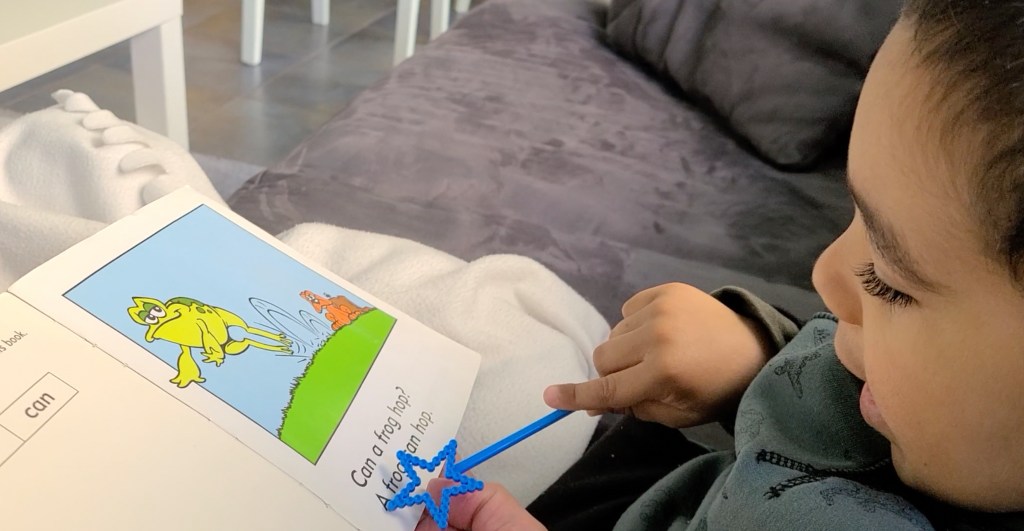
I knew my kids were ready to start reading once they had learned the names and sounds of all the letters. If you are still working on the letter names and sounds with your child, read part 2 of this blog for fun ideas on how to teach the letters.
I was super excited for this stage because I had taught so many students how to read during the eight years I taught kindergarten and it was time to teach my own kids to read. When I was a K teacher, I acquired a recipe for reading that not only worked, but was fun, engaging, and simple. Teaching kids to read was the highlight of my teaching career and I couldn’t wait to teach my children this magical skill.
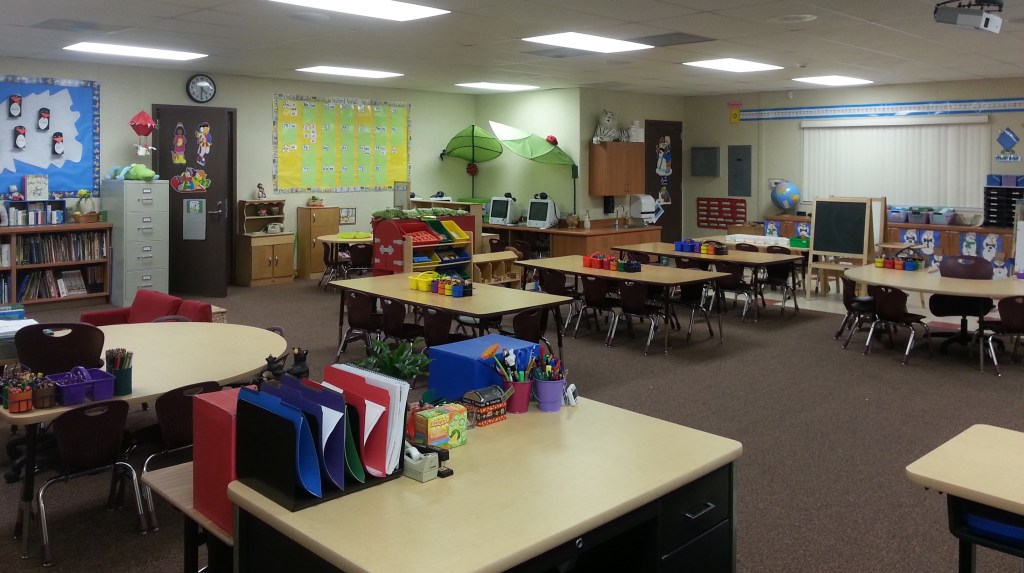
I focused on two things when teaching reading: sight word keys and frontline phonics books. Both are taught at the same time because knowing the sight word keys helps when reading the frontline phonics books and vise versa. I love that both of these resources are taught one level at a time, making it manageable for grown-ups as well as little ones.
Sight Word Keys

Why teach sight words? Great question! There are 260 sight words (words like: the, is, a, because). These 260 words make up 75% of the words used most in writing. By teaching your little one these words, you are equipping them with 3/4 of the words they will be reading! That’s giving them a great head start. Imagine having to learn a new language and being preloaded with 75% of the words you will be reading in that language, that’s a pretty big help! Below is a list of all 260 sight words organized by levels, with ten words in each level:
This might seem like a lot of words and you might be feeling quite overwhelmed, but don’t. Only ten words are taught at a time.

I made the sight words into ‘keys’ to make them look fun and attached them onto a metal ring. I made each set of ten keys a different color which I used as the name of each level (e.g. red level, orange level, yellow level, etc.).

I eventually ran out of colored card stock paper and used white for the rest of the keys. To distinguish the different levels on the white keys, I made different colored dots with markers for the remaining levels, as shown above.
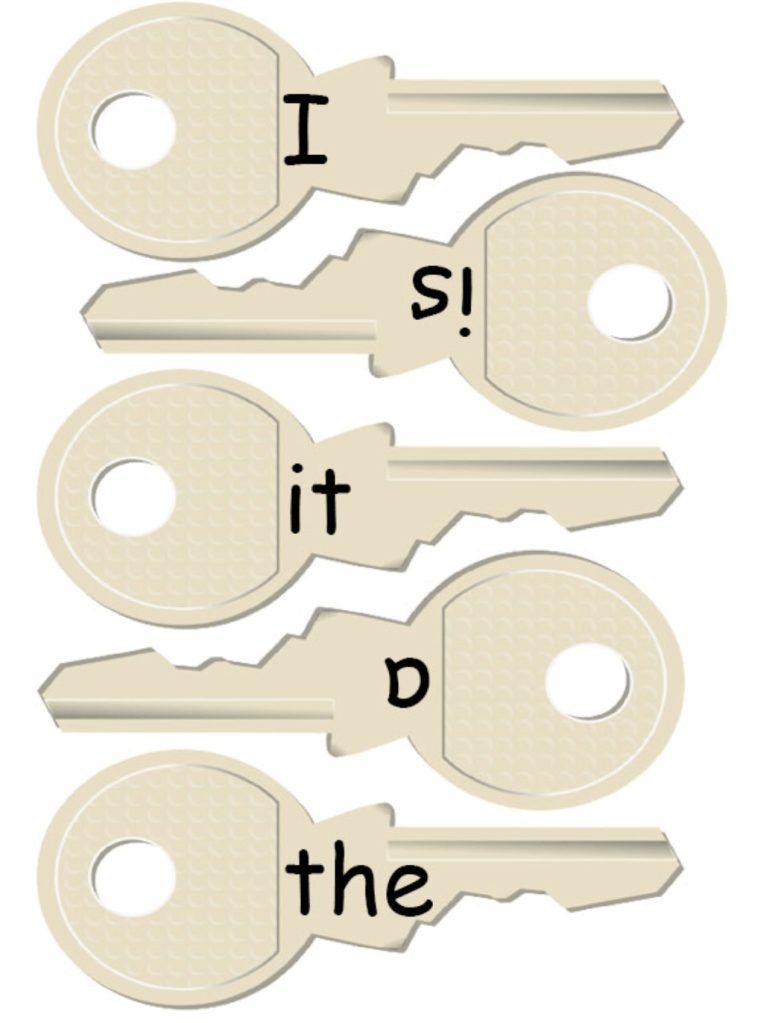
Click the download button for a printable version of the sight word keys
When it was time to introduce the sight word keys to my little one, I started with the first set of 10 keys, the red level (I never showed them the other leveled keys, the next color was always a surprise). When I first showed them the red keys on the ring, I said, “These keys are called sight word keys. Sight words are words you see most when reading. Learning these words is going to make reading much easier and since you know all your letter names and sounds, you are ready to start learning these special words!”
Then, we sat together and I read the ten keys on the red level. As I read each word, I slowly sounded it out and/or would say a trick to help with remembering non phonetic words (words that can’t be sounded out). Then we would read each word together while sounding them out slowly or repeating the trick I taught to help remember the word. In this video, I go over each word in the red level:
The next day, they would try reading each word on the red level aloud to me. If they didn’t know a word, I would help with sounding it out or remind them of the trick I taught to help remember the word.
When they read a word independently, celebrate!! Anytime my kids read a word on their own, we would stand up and dance around the dining table with our hands in the air while we sang, “Celebrate good times, come on! It’s a celebration!” and I would add the word onto our word wall.
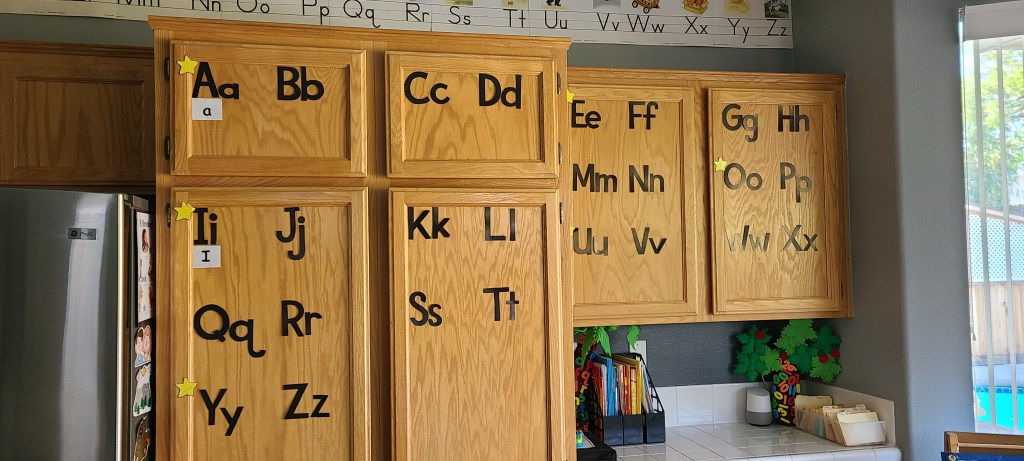
This is our word wall. I added the word ‘I’ and ‘a’ because my son was able to read these two words independently. These were the first two words he was able to read from the red level.
Printable version of the sight word cards to use on the word wall
We still have our word wall up, it is now filled with all 260 sight words because my son learned them all. My kids refer to our word wall often: during writing time, when playing spelling/sight word games, when they are writing a letter to someone, etc. It’s a great resource to have available when needed.
Have your child read their sight word keys to you once a day, it takes about three minutes. When they can read a word, celebrate and put it on the word wall. When they can read all ten words in a level, they pass to the next level and I add the next set of colored keys on their key ring behind the keys they have learned and we start the process again.
Each time they pass a level, we celebrate by playing a sight word game. They are so much fun. Here are a few sight word games we have played:

Ask your child to find sight words hidden around the house
while checking them off their sight word checklist
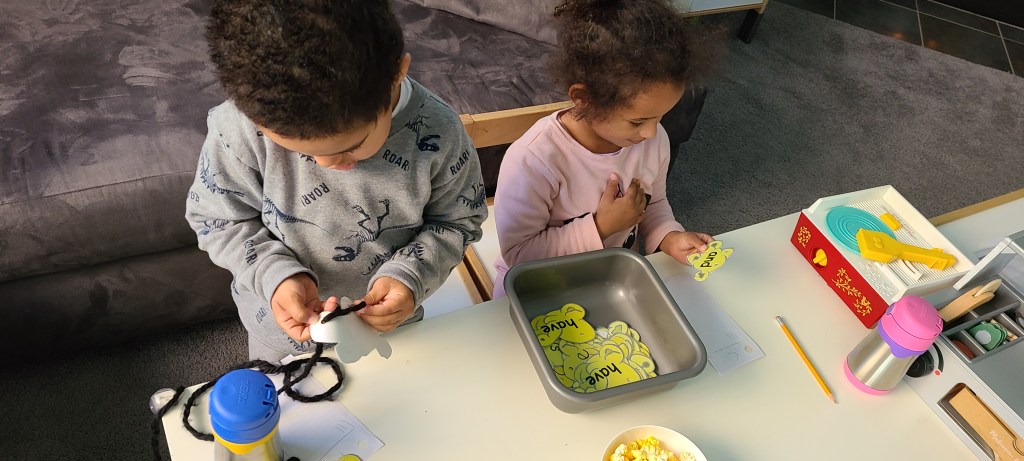
If your child can read a sight word, they add it on their
popcorn word necklace (while snacking on real popcorn of course!)
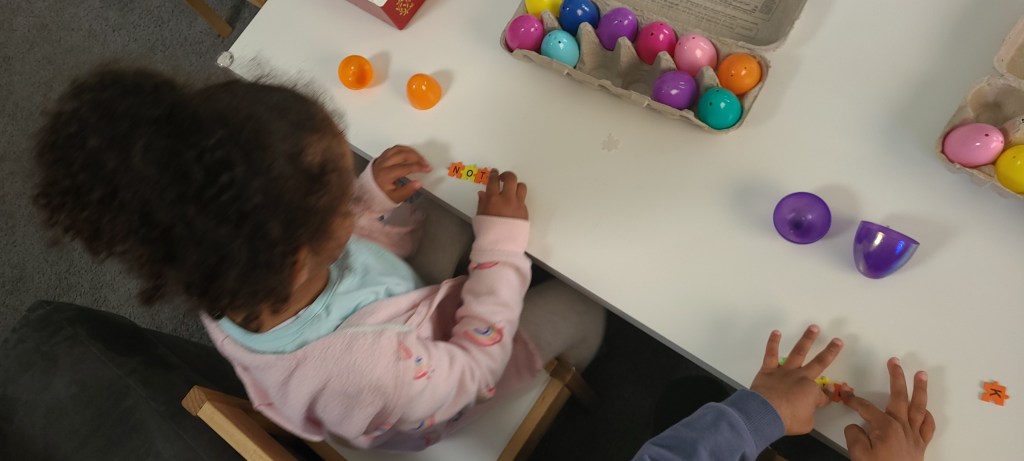
Open a plastic egg and unscramble it to make a sight word
There are tons of sight word games on Pinterest. Search ‘sight word games’ and you’ll find lots of fun ones to play, like this magical painting game. Games are a super engaging way to review the sight words.
Once your child passes all 260 sight word keys, review them every week or so by picking random keys for them to read to you. They will also review these sight words when reading. Sight words are in every book, the more they read, the more practice your little one will get with these important words.
Phonics Books
I introduce phonics books and sight word keys on the same day. I introduce writing (which begins with simple pictures) on the same day as well, which I cover in this blog, Teaching Your Little One to Write.
The sight word keys only take about three minutes and the phonics books take about ten minutes: both lessons are done in just under 15 minutes.
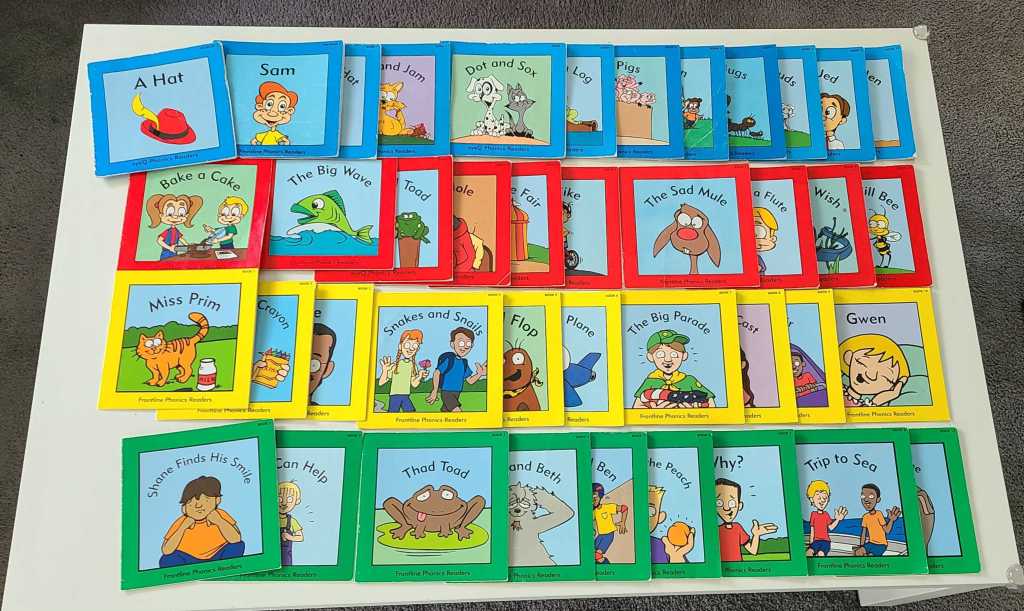
These books are leveled by color. There are ten books in each level, starting with the blue level, then red level, yellow level, and green level. The blue level has a couple of “pre books” that are used to introduce the Frontline Phonics books.
I introduce the first blue book which is called a ‘pre book’ and say, “You did a great job with your sight word keys, now we are going to look at our first reading book which is in the blue level. Once you are done reading all the books in each level, you will be able to read books from the library and book store and you’ll then become an A.R. reader! I’ll tell you more about that when we pass these books.”
A.R. reader also known as Accelerated Reader is an online reading program that allows users to take reading comprehension quizzes for thousands of books that are sorted by reading level.
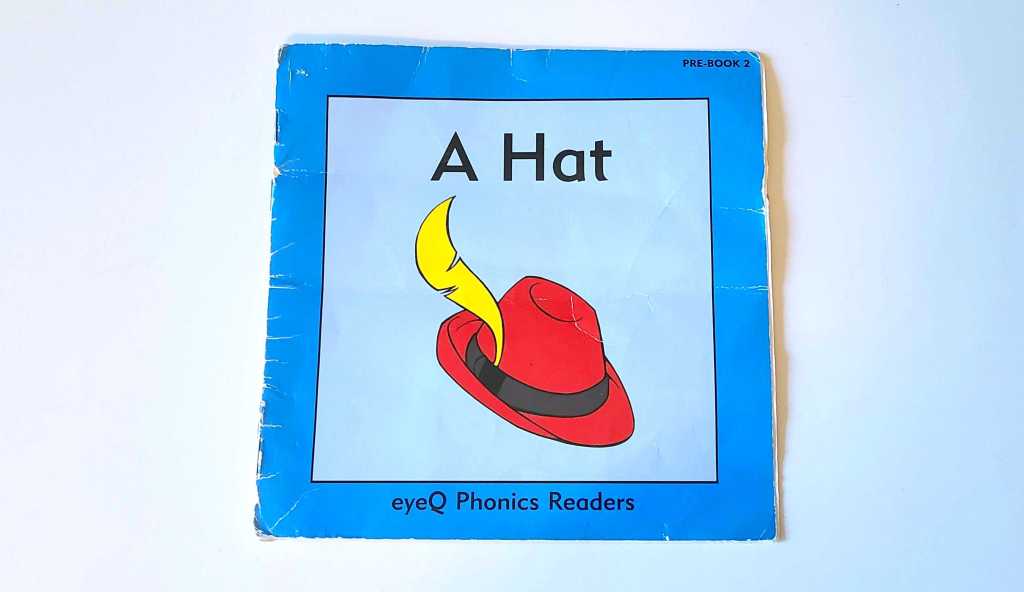
Then I hold up the book and say, “This is the first blue book. It has a cover page with a title. The title is the name of the book and this book’s title is, A Hat. “
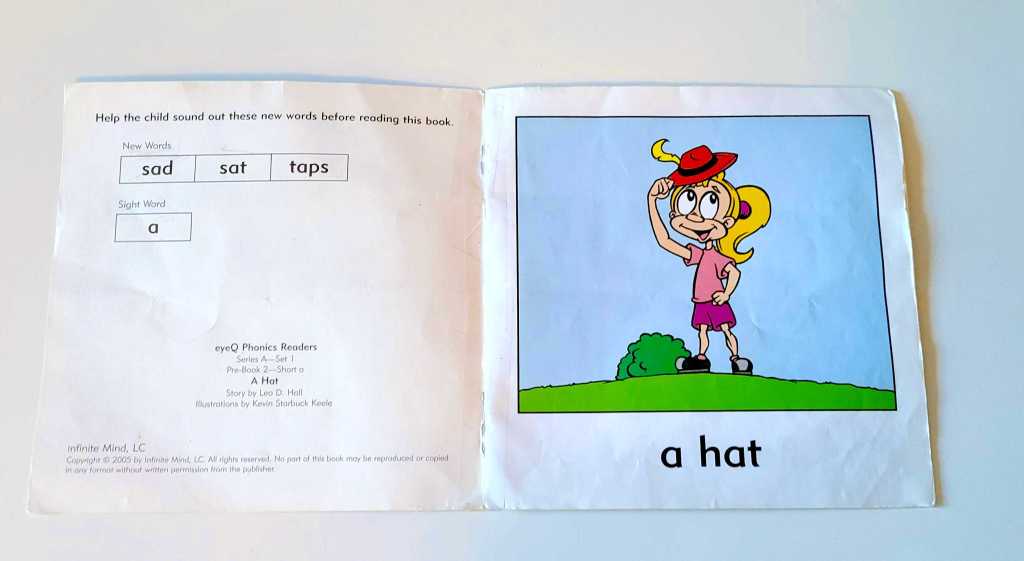
“If you open the book and look at the inside cover you will see words in boxes. We will practice the words in the boxes together before we begin each book. These are words we need to learn for each story.”
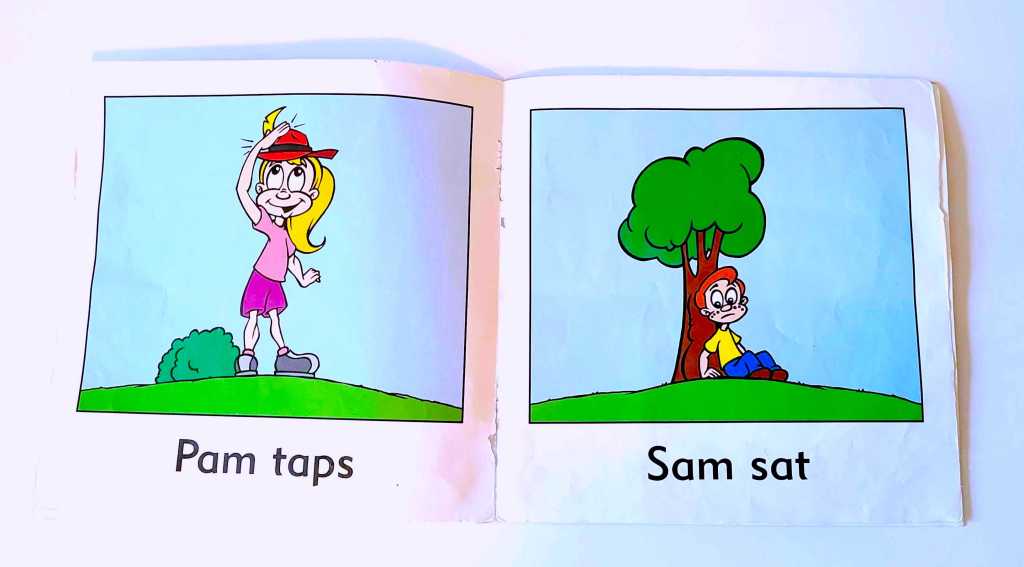
Then we do a picture walk of the book. A picture walk is when you go through the book page by page and your little one tells you what they see in each picture. There is no reading involved in a picture walk, they are just saying what they see and making predictions about what is going to happen in the story. This is a good way for your child to start thinking about the story and forming ideas and questions about it prior to reading it. (Note: I don’t do picture walks with other books, just these phonics books. My kids like the element of surprise when they are reading and don’t want to know what happens next.)
Once you have gone over the words in boxes on the inside cover and have done a picture walk, read the story to your child with excitement and expression while pointing to each word as you read.
The next day is the guided reading portion of the lesson, where you show them how to read the words. You look at each word and ask your little one the sound of each letter in that word while making the movement for that letter (see part 2 for the letter movements), then ‘bubble gum’ the sounds together to hear the word those sounds make.
‘Bubble gumming’ is the act of blending the sounds in a word together by holding your fingers in front of your mouth and stretching out the sounds one by one while moving your fingers away from your mouth like you do when stretching bubble gum. This helps little ones hear the sounds slowly and all together.
With time, your child will gradually wean away from having to do the movement for each letter and “bubble gumming” each word. This will happen organically the more they read. We bubble gum some words in the video below:
Each day, after doing sight word keys, we do guided reading together. When your child is able to read the book without your guidance, they can tell you they are ready to take their reading test for their book. A reading test is when they sit next to you and try to read the whole book independently. At this point, they should be able to read the book without any help. If they need help with one or two words, that’s ok. They still pass their book, but if they need help blending more than a couple words, tell them the few words they need to work on and practice blending those words separately. If your child passes their book, ask them the reading comprehension questions at the end of the story. This will let you know if they are understanding what they are reading.
When my kids passed a book, I would give them a sticker and we would do a cheer! Here are some cute ideas for cheers you can do together.
When they passed a level (ten books in a colored set) we would do something special together: play a board game, go swimming, anything fun. When they passed all their Frontline Phonics books, they were ready to read beginner books in the library!
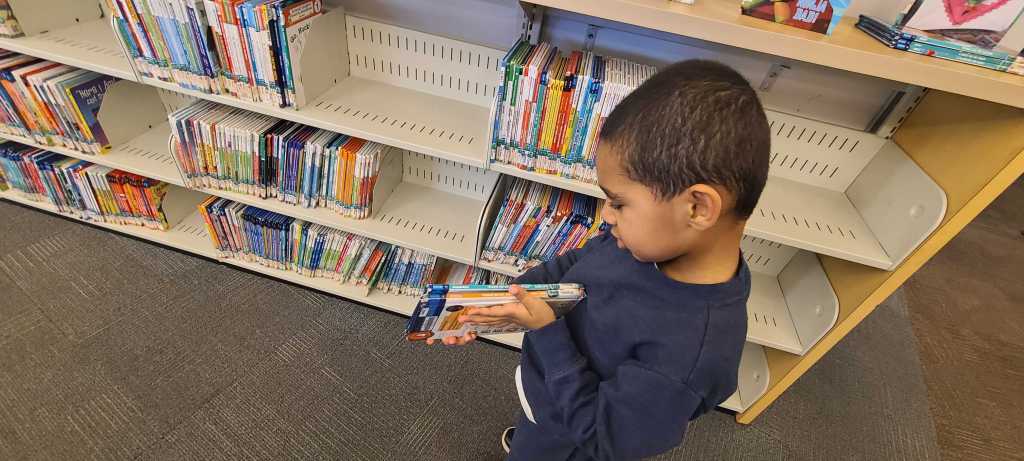
At this point, they are building fluency as beginning readers and practice is key for this important skill. We would go to the library often and they would choose picture books they found interesting to read.
I subscribed to a reading program called ReadnQuiz, similar to Accelerated Reader, when my little ones reached this stage (this is completely optional). I like this program because once they finished reading a book, they logged onto ReadnQuiz and took a short reading comprehension quiz on the book they read. This program tracks their scores and keeps a running record of all the books they have tested on, including the number of words in each book. The program is currently $30 a year and offers a 30 day free trial.
When my kids earn a score of 100% on around five books in a certain reading level, I have them pick out higher leveled books (similar to the Accelerated Reader program, where books are leveled by grade level and students can move up to higher levels based on their reading scores).

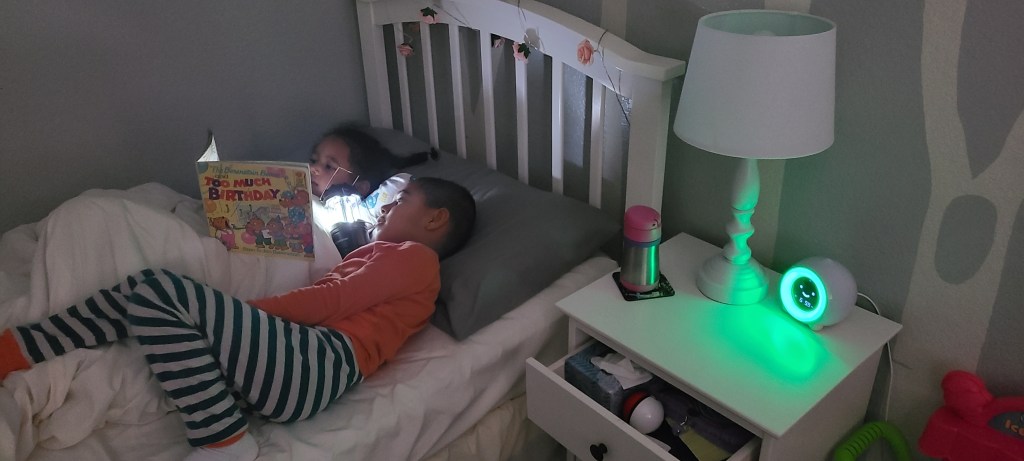
Teaching the act of reading is one of the most valuable skills you can teach your little one. It is one of my proudest accomplishments as a teacher and mommy. Supporting their growing and curious minds is a magical thing.
Happy reading!
 Peachy Teachy
Leave a comment